CIC

Adopt AI to Accelerate Change

Artificial Intelligence (AI) is key to enhancing productivity, safety, and sustainability across the industry. The Construction Industry Council (CIC) has been committed to promoting innovation and technology. In the Year of the Horse 2026, Hong Kong construction industry practitioners should take the lead in proactively embracing the changes brought by AI, rather than waiting passively for opportunities.


CIC Year of AI Launch Ceremony & CIC Construction Innovation Award Presentation Ceremony Jointly Promote Innovation

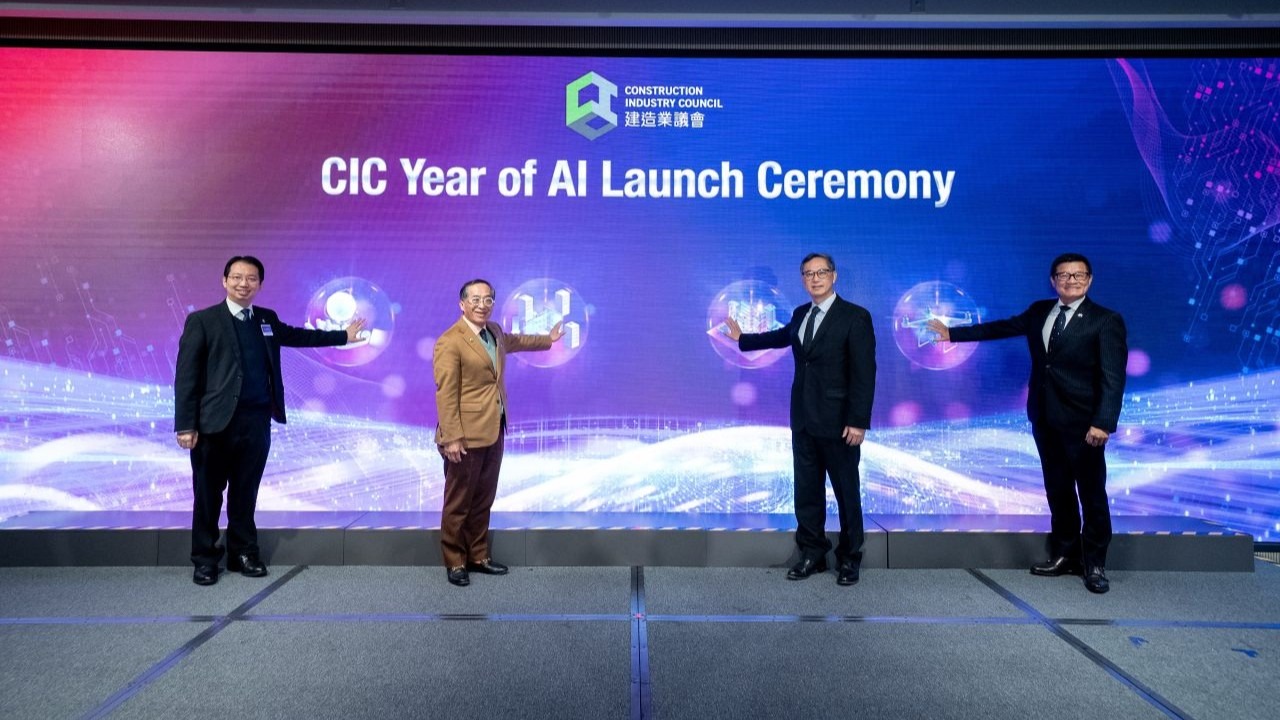
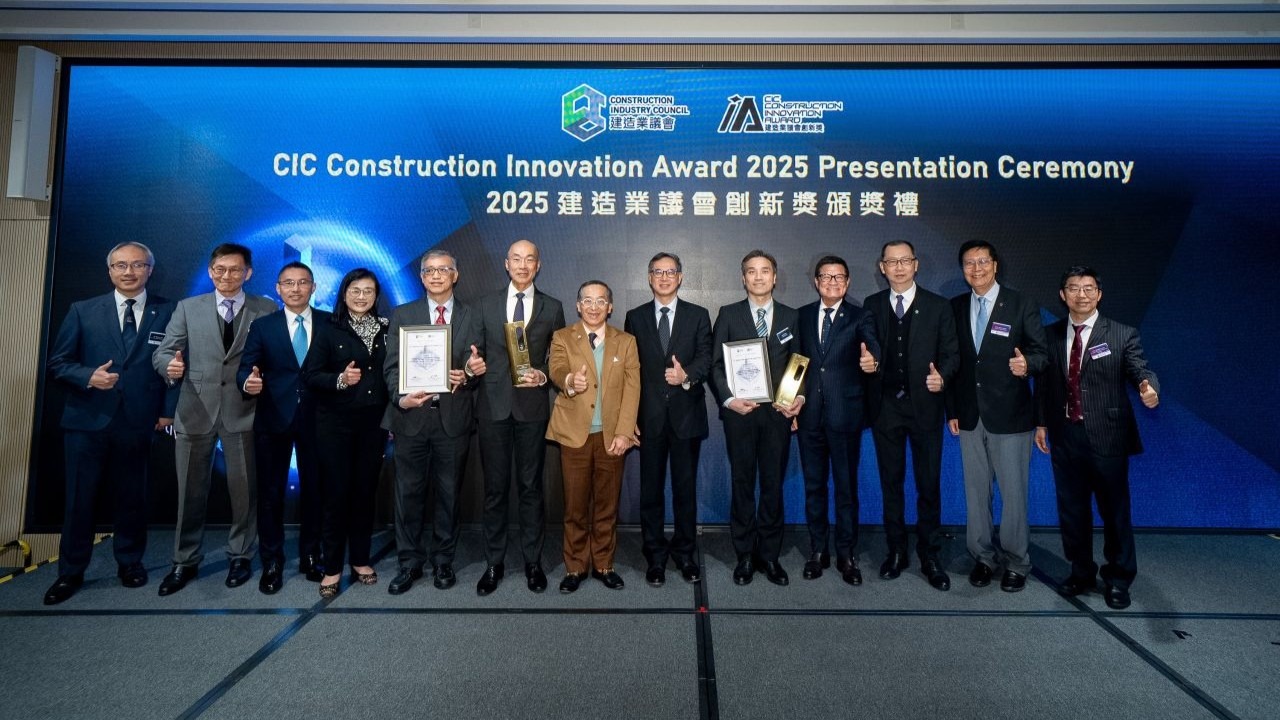
To mark the official launch of the “Year of AI” in 2026, the CIC hosted the CIC Year of AI Launch Ceremony last month to promote the importance of embracing artificial intelligence in the construction industry. We were honoured to have Ir Ricky LAU, Permanent Secretary for Development (Works), as our Guest of Honour. During the ceremony, CIC announced eight key focus areas and introduced several major initiatives, including the CIC Global AI and Smart Construction Conference and Exhibition, the CIC AI Assistant (Construction Safety), and the CIC AI Award. The CIC encouraged industry peers to participate actively in these initiatives. At the same event, the CIC presented the Construction Innovation Award 2025 to recognise the creativity and impact of local and international innovations. Many of the award-winning projects featured “AI+” applications.

AI Master Talk: Industry Leaders Urge Immediate Adoption

In support of the “Year of AI” theme, CIC recently hosted the Master Class Talk on “Harnessing the Power of AI for the Construction Industry”, gathering experts from Microsoft, Ernst & Young (EY), Arup, MTR Corporation, Henderson Land, Hongkong Land, and SJ Group to share their hands-on experiences in advancing AI, machine learning, data integration, and agile development.


Mr. Steve LEWIS, Partner and Infrastructure Lead at EY, pointed out that organisations should break away from the misconception that data must be perfectly organised before AI can be applied. Instead, companies should connect different data sources immediately to gain a first-mover advantage. AI can then be leveraged to categorise and structure chaotic data into searchable and accessible information, empowering business leaders to make faster and more informed decisions.

We Are All AI Agent Managers

Mr. Fred SHEU, Microsoft Hong Kong's National Technology Officer, advocated the mindset that “everyone is an AI agent manager”. He encouraged viewing AI as a powerful partner and reminded senior management to think about the optimal ratio of human employees to AI agents. By mastering AI tools effectively, new entrants to the industry can achieve the same level of capability as commanding a large team.

Building on the key takeaways from distinguished speakers, I called on all enterprises to put AI at the heart of their strategies, adopt mature technologies quickly, set ambitious KPIs and explore creating customised AI assistants to drive comprehensive transformation across teams and individuals. In terms of human resources, companies should provide training to improve their employees' AI literacy and introduce reverse mentoring programmes to encourage the exchange of knowledge. This will enable staff at all levels to quickly master AI applications.


CIC’s survey findings show that project delivery times have improved significantly when AI tools are used. In response, CIC has launched the CIC AI Assistant (Construction Safety) (Beta Version), which analyses video data from AI-powered Smart Site Safety Systems, demonstrating the effective use of technology to protect construction workers.

During the AI Master Talk start-up pitching session, I was delighted to see 17 start-ups present technologies that they had spent years perfecting. Demonstrating a spirit of craftsmanship and deep technical knowledge, they have developed solutions that are in line with Industry 4.0 developments, earning them international recognition and funding success. Some of these solutions have been included in the Construction Innovation and Technology Fund (CITF) list. The industry is encouraged to adopt these solutions and apply for funding.


First Approved Small Drone Lifting Case in Hong Kong Construction

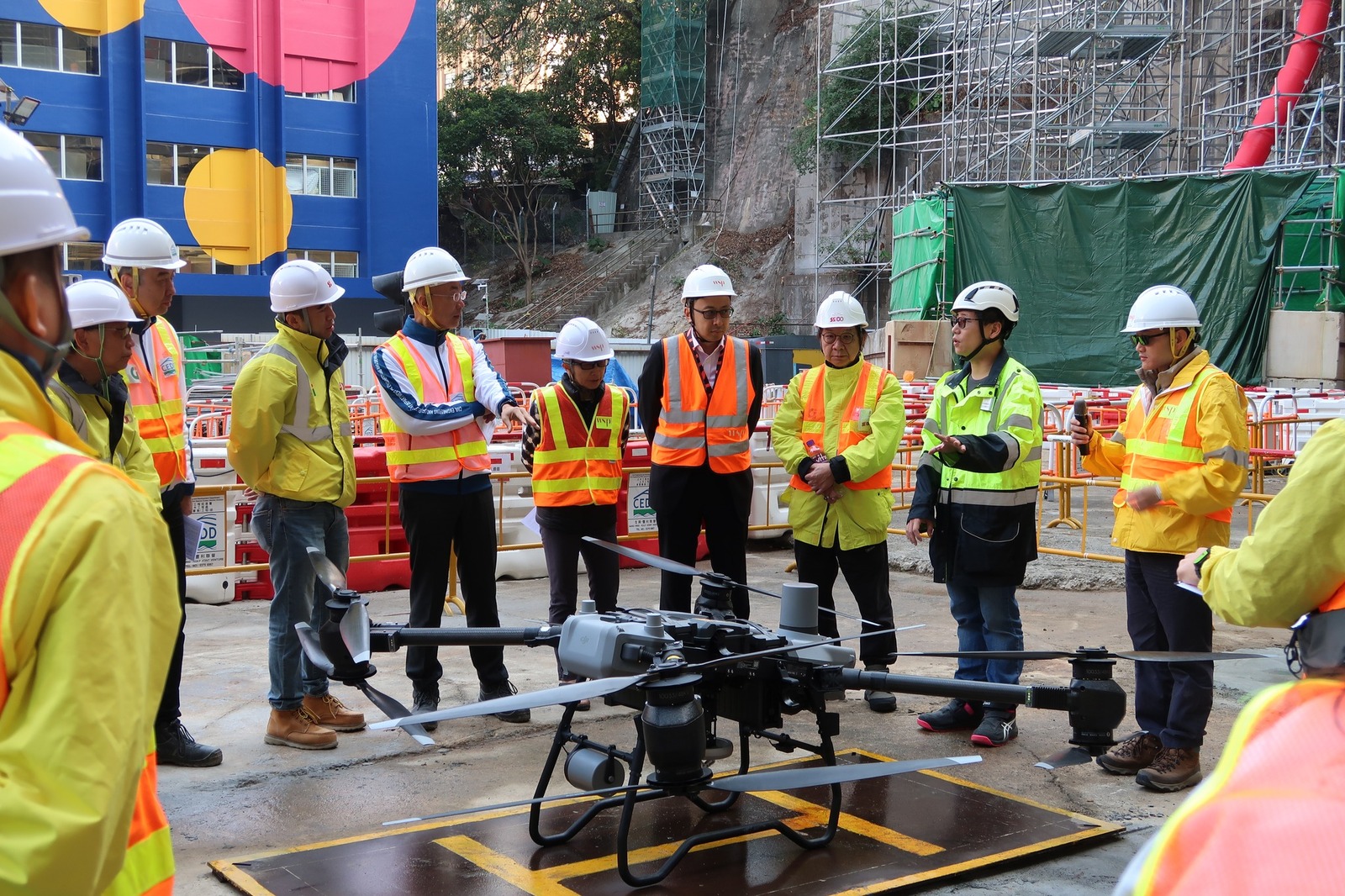
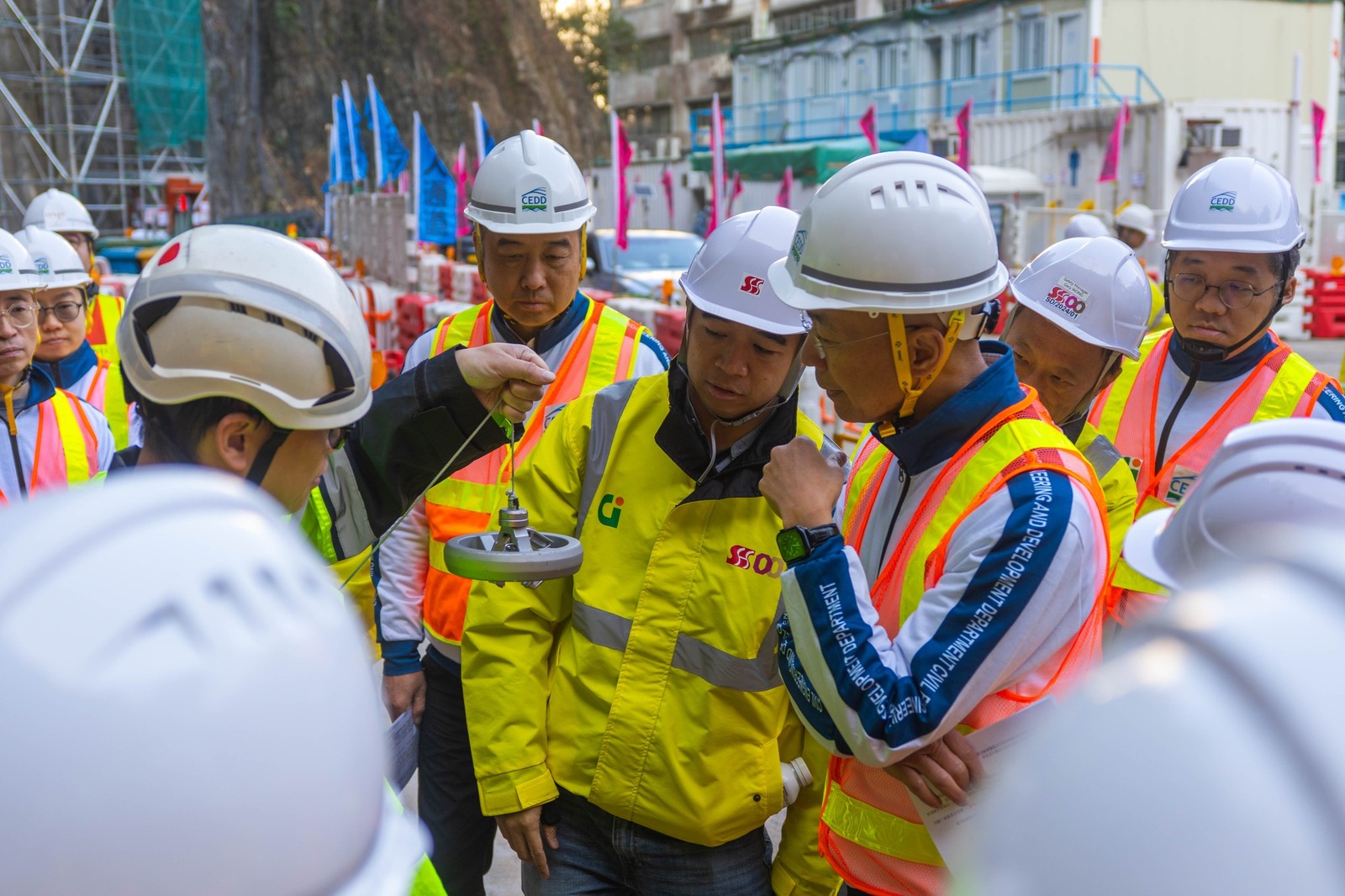
Beyond the vast opportunities of AI, the emerging low‑altitude economy is another promising area that Hong Kong cannot afford to overlook. With last year’s amendment to the Small Unmanned Aircraft Order coming into effect, drones now have far greater potential for use on construction sites. Recently, the Civil Engineering and Development Department (CEDD), in collaboration with industry partners, deployed small unmanned aircraft (SUA) for lifting operations at the “Site Formation and Infrastructure Works for Public Housing Development at A Kung Ngam Village, Eastern” project . This is the first approved case of its kind in Hong Kong following the amendment, marking a new milestone in the local construction industry's transition into the low-altitude economy. It also demonstrates how drones are evolving from being used purely for surveying and monitoring to supporting construction and logistics processes.

Photo source: Civil Engineering and Development Department

Traditionally, the term “landing” has been used to describe the implementation of new technologies in Cantonese. Drones now enable engineering teams to overcome geographical constraints and reach new heights. I hope that the industry will continue to embrace pioneering thinking and technologies, allowing bold and imaginative concepts to redefine the construction environment as a safer and more efficient place, and to set higher standards.


Craftsmanship Charter Practice Experience Sharing Session

Last September, the CIC and its industry partners jointly launched the Craftsmanship Charter, which encourages organisations to cultivate a culture of excellence and safety by embedding craftsmanship in their daily engineering practices and professional judgement. The Charter covers several areas, including technical advancement, standard setting, building culture, quality improvement and training and education, with the aim of strengthening safety and quality standards.


Last month’s “Craftsmanship Charter Experience Sharing Session” brought together 24 organisations across three insightful panel discussions. Leaders shared real-world practices such as master-apprentice mentoring, innovative construction techniques, regular workshops for skill enhancement, and free provision of safety equipment. I also reminded the industry not to tolerate the “good enough” attitude, as any negligence could plant the seeds of safety hazards.


During the session, Prof. Frank CHAN, a National People's Congress Deputy for Hong Kong SAR, Mr. Lam Chun-sing, a Legislative Council Member, and Dr. Johnnie CHAN, Chairman of the Housing Authority's Building Panel Committee, noted in their closing remarks that the 2016 Government Work Report of China had already emphasised the importance of craftsmanship, encouraging workers to produce high-quality products


The CIC also launched a TV promotion series “Crafting the Dreams and Future” last week. The programme host digs deep into the construction industry to understand how construction professionals combines technology and passion to build the future of Hong Kong. It also allows viewers to feel the professionalism and conscientiousness of craftsmen and how the Spirit of Craftsmanship—Soul, Skills, and Action—is embodied in their work.

Professionals who uphold a spirit of craftsmanship will have the stamina to withstand technological advancements, a changing geopolitical landscape and intense competition. Organisations that invest in these professionals will ultimately reap the benefits.


Meeting with Legislative Councillor (Engineering Functional Constituency) Aaron BOK

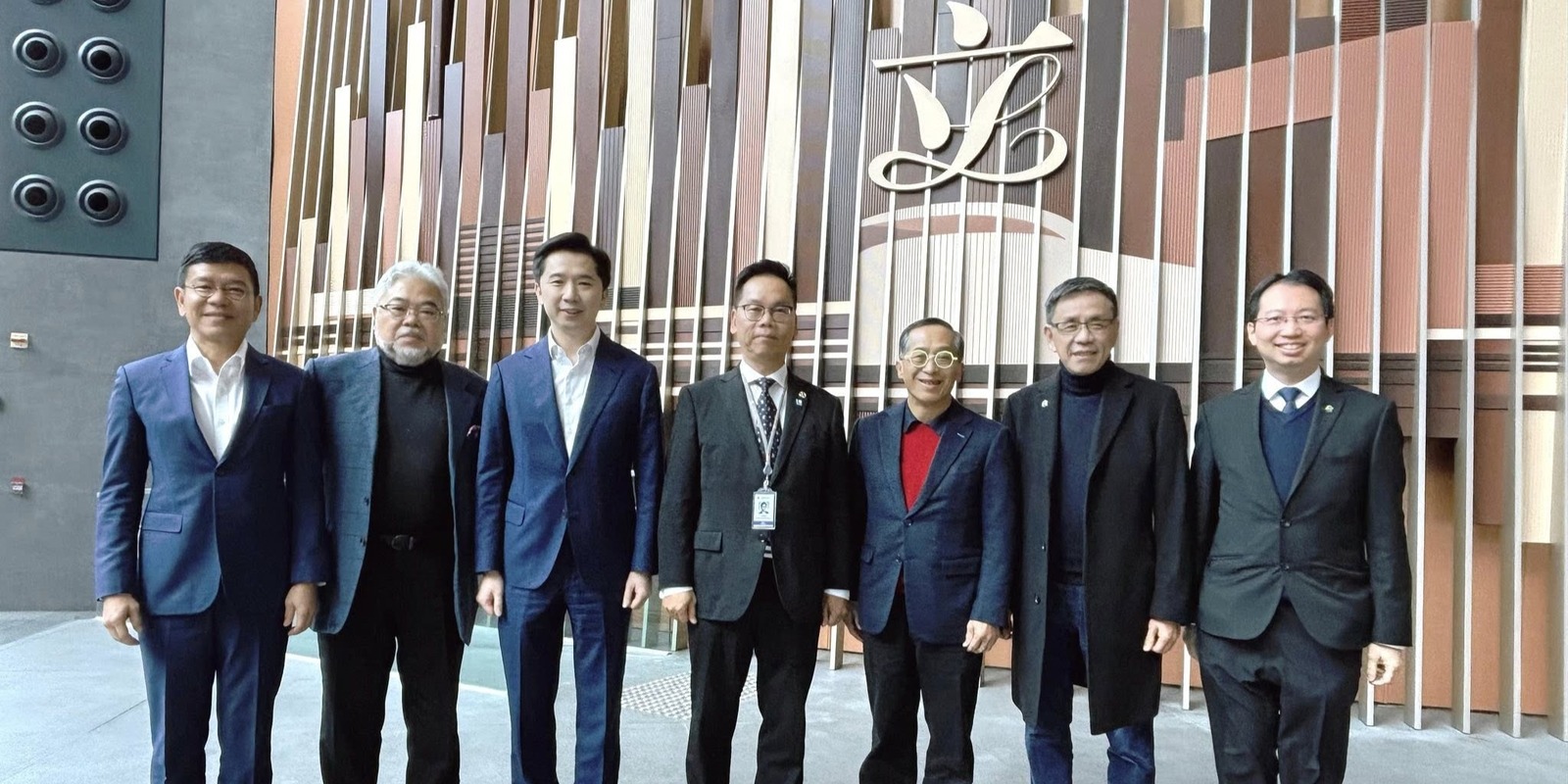
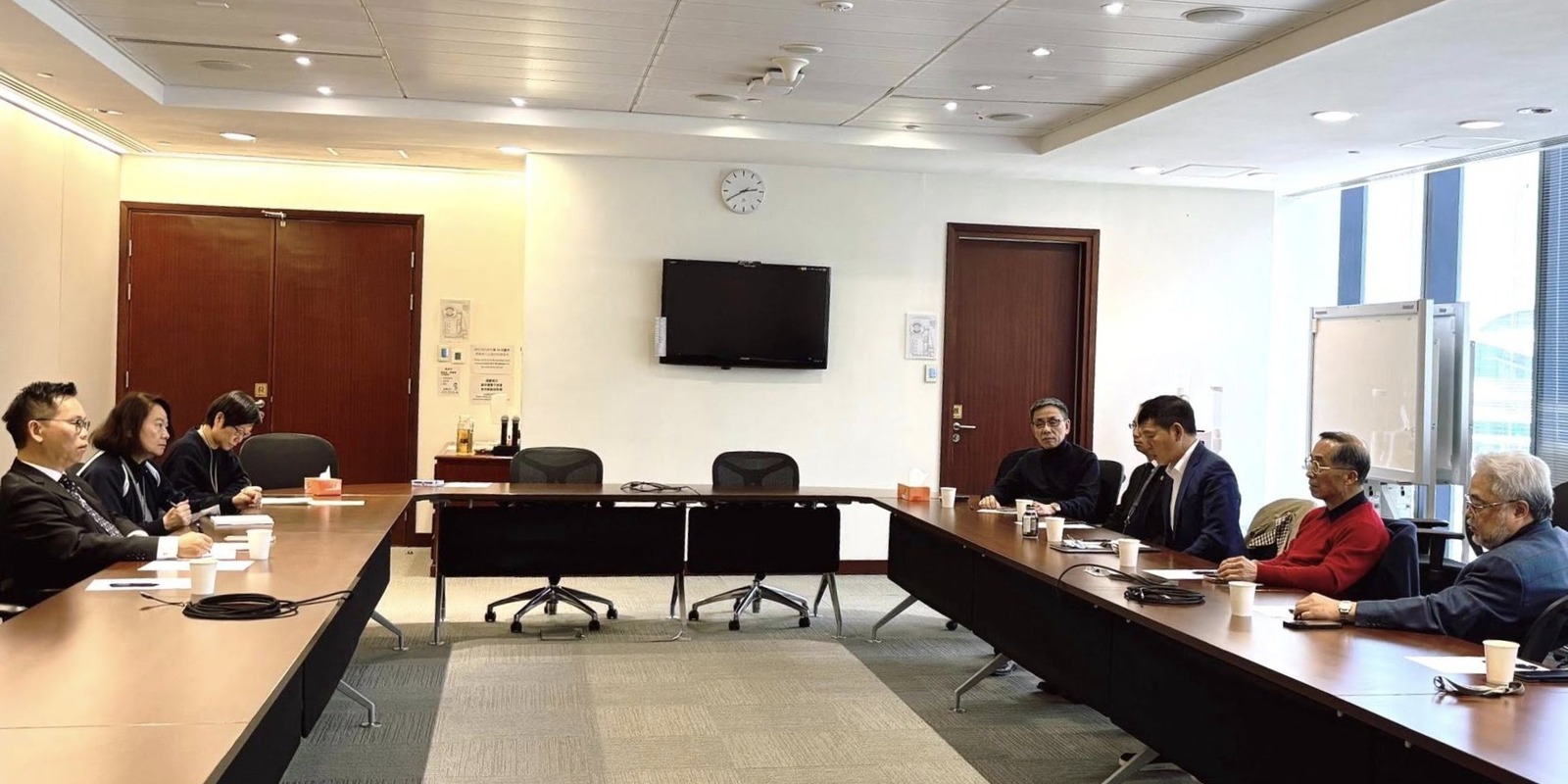
The eighth-term Legislative Council session commenced in January. On the first day in office for the newly elected Member of the Legislative Council (Engineering functional constituency), Ir Aaron BOK and CIC council members promptly met with him and briefed him on the current situation and challenges ahead for the industry. The discussion focused on three main areas: first, systematically building robust safety safeguards for the construction industry; second, enhancing collaboration to strengthen the overall efficiency of the industry value chain; and third, attracting young people to join the sector and carry forward our industry’s skills and good traditions.

Photo source: Hon Aaron BOK

As the Year of the Horse approaches, I sincerely wish all workers good health, happiness at work, and a safe return home. I also hope the industry will successfully embrace new opportunities and achieve great success.

Ir Prof. HO On-sing, Thomas
Chairman
02.02.2026

Last Updated: 2026-02-02 10:30:30